

Strategies for Effective Multi-Location Dental SEO Success
Managing dental marketing and SEO for one dental practice is already like juggling with gloves on.
Now imagine doing it for five, ten, or fifty locations spread across different cities, maybe even states. Yeah. Chaos.
But here’s the deal: multi-location dental SEO isn’t about doing fifty times the work, it’s about building a scalable SEO system that keeps everything consistent, optimized, and Google friendly without burning your sanity (or your marketing budget).
So yeah, grab your coffee (or your second one), because this playbook is gonna break down exactly how to dominate local search when you’ve got multiple clinics under your umbrella whether you’re a DSO or just a fast growing multi location dental groups.
Why Multi-Location Dental SEO Hits Different
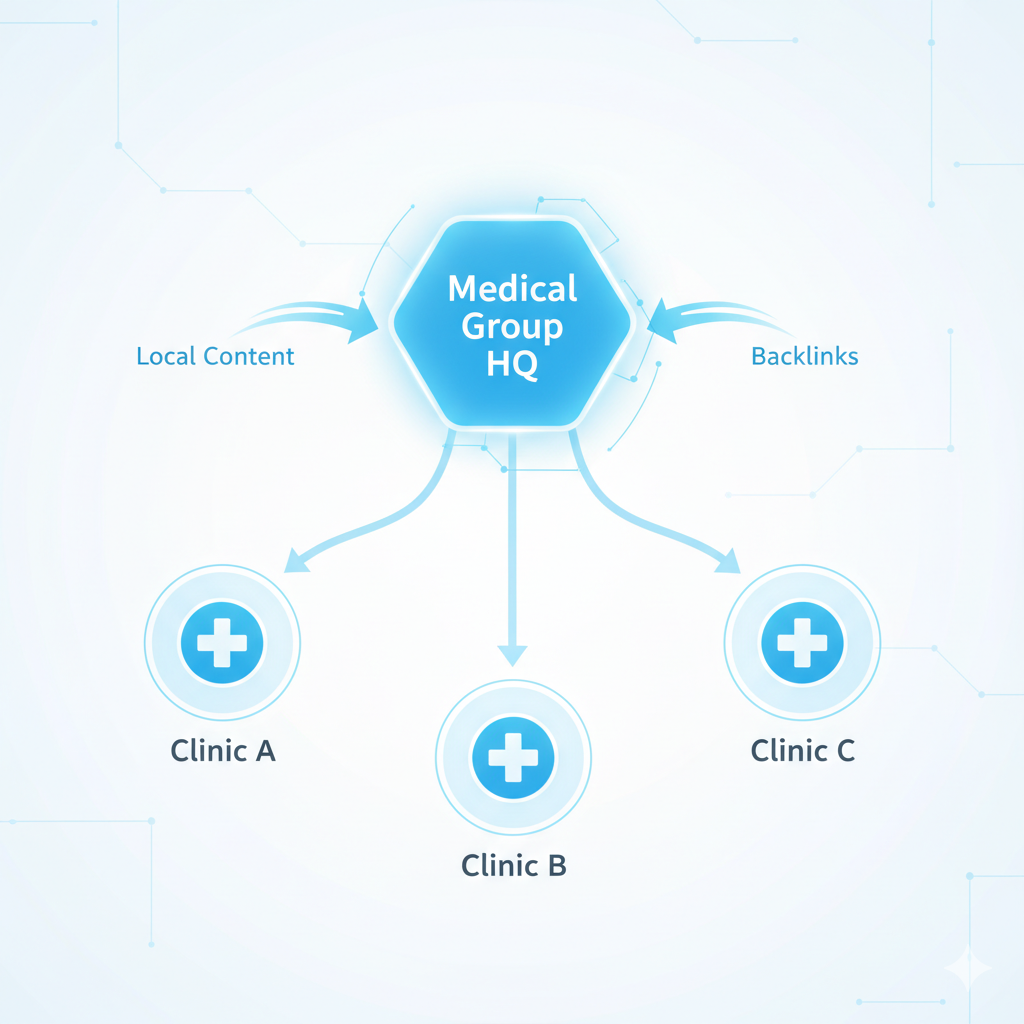
Okay, so before diving into the geeky stuff, let’s clear one thing: local search rankings SEO for a single clinic = simple. You optimize one Google Business Profile, one website, one set of reviews, boom done.
But multi-location dental practices that attract potential patients that’s a whole different monster.
You’re dealing with:
You can’t just duplicate everything and hope Google figures it out (it won’t). Improving your online visibility is key.
You’ve gotta treat each physical location as its own SEO entity but under one clean, well structured system.
Step 1: Build a Scalable Site Structure (Don’t Wing It)
This is where most dental groups trip up. They launch new clinics, toss up random pages like /houston-dentist or “/chicago-office,” and call it a day.
Nope. You need a repeatable site architecture that keeps every location page unique, optimized, and easily trackable in Google Search Console, including relevant website content.
Here’s the formula that actually works:

domain.com/location-name/
Each page should have:
Don’t reuse the same paragraph fifty times with city names swapped out. Google can smell that from space.
Each page should feel like its own little microsite.
Step 2: Manage Google Business Profiles Like a Pro
Let’s talk GBP governance, because man, it gets messy fast.
Every single location must have its own verified identity, no exceptions.
If you try to merge listings or use the same one for multiple offices, you’ll tank visibility.
Things you must do:

And please don’t use the same phone number for all clinics. Google hates that.
You can even use Google Business Manager to manage all your profiles in one place, which saves you hours of clicking and sanity.
Step 3: Local SEO Signals That Actually Move the Needle
So, what makes multi-location dental SEO actually work?
It’s not fancy backlinks or a $10k agency retainer (though that helps). It’s local signals the stuff that tells Google, hey, this clinic matters to this area.
Let’s break that down:
Local backlinks
Partner with nearby businesses, local chambers, schools, or community pages as part of your local seo strategy .
A few strong local backlinks beat 100 random blog ones any day.
Location citations
Add every dental services practice to consistent listings: Healthgrades, Yelp, Bing Places, etc.
Use tools like Moz Local or BrightLocal for automation.
Local content
Each city has different patient vibes: Dallas wants fast turnarounds, Boston wants premium care, Miami wants that Hollywood smile, and this affects your local search results .
Reflect that in your content and tone.
Step 4: Location Specific Reviews and Reputation Management
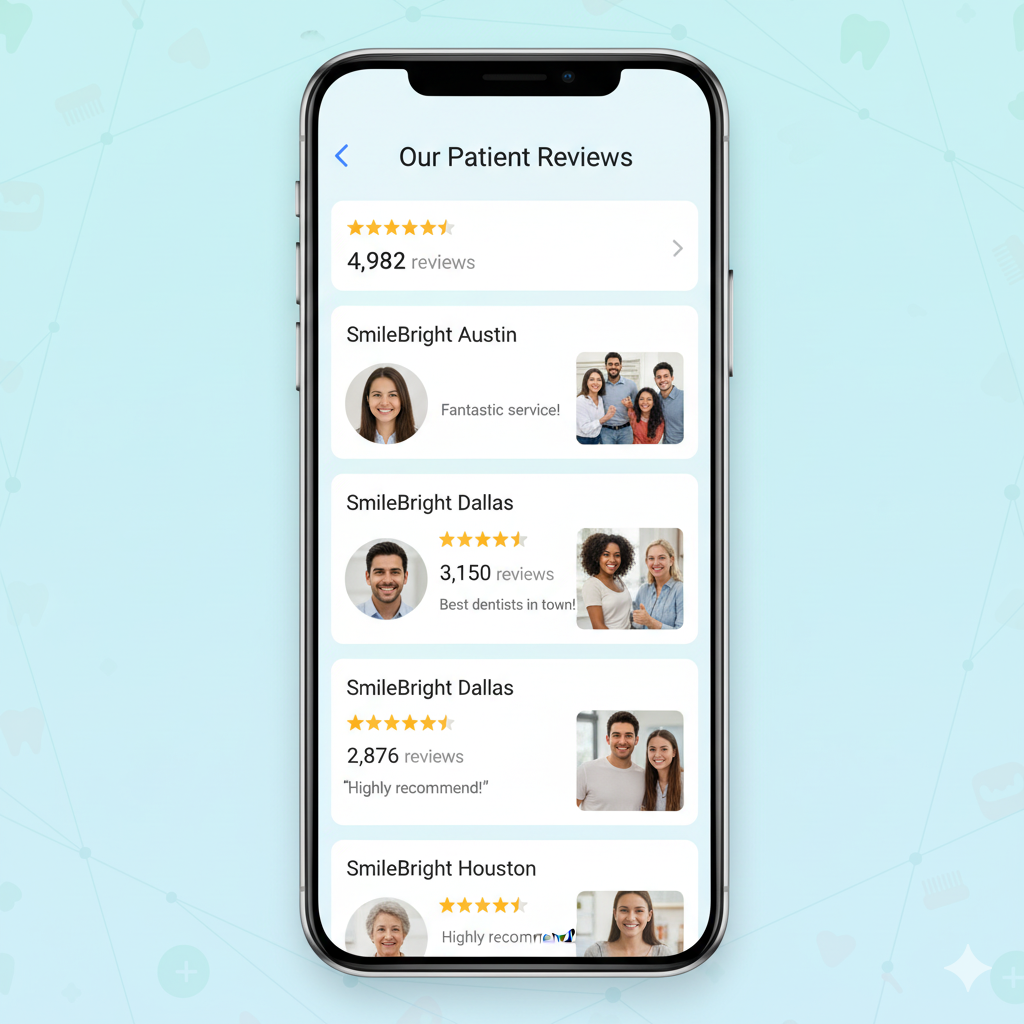
Now here’s a fun stat about 87% of people check Google reviews before choosing a dentist.
And for multi-location brands, those reviews are like SEO rocket fuel.
Set up unique review links for each location (you can generate them via GBP).
Encourage local patients to drop feedback for their specific office, not the corporate brand.
When someone searches best dentist near me, those stars under your location name in local search results are pure gold.
Also, don’t be afraid of a few bad ones they actually make your profile look real, just like when you run google ads. Just reply fast, stay calm, and don’t sound like a robot.
Step 5: Technical SEO for Multiple Locations
Okay, nerd mode for a sec.
You can’t skip structured data in your search engine optimization, or you’ll confuse search engines.
Add LocalBusiness schema for each location page. Include:
This helps Google connect your pages with the right maps listing.
And seriously, keep your site fast and mobile friendly. Multi-location sites get traffic from all sorts of devices: people on their phones, panicking about a cracked tooth on a Sunday.
You can test performance using PageSpeed Insights.
Step 6: Data Tracking Across All Locations
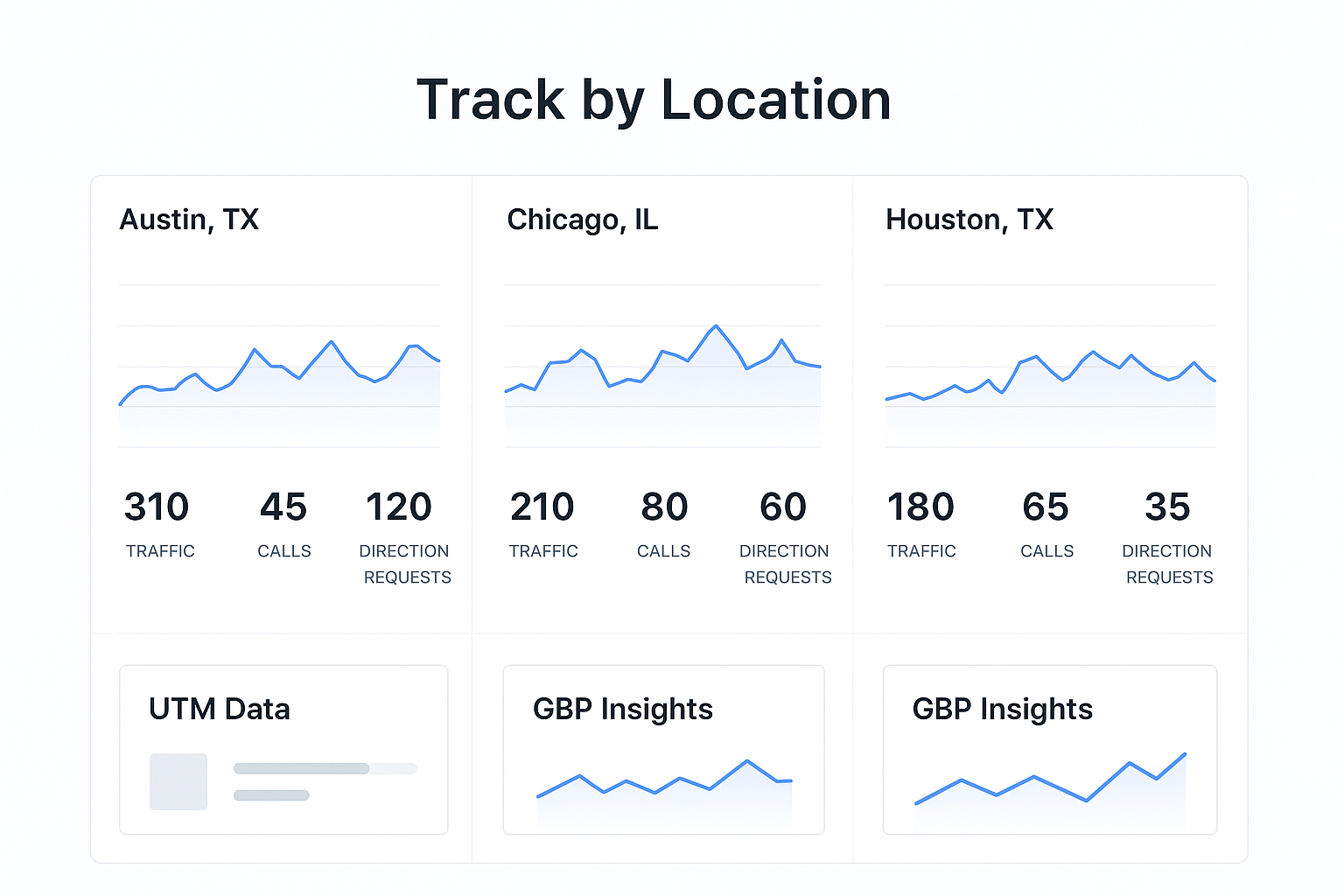
Tracking SEO for one clinic? Easy.
Tracking 30? You’ll lose your mind unless you set it up right.
Use UTM tagging in Google Analytics for each location page, so you can see which city’s traffic is converting.
Track GBP insights separately too: calls, direction requests, photo views.
And hey, don’t forget the Google Map Pack performance. That’s where most patients click first.
Step 7: Reputation + Community Involvement
This one’s underrated.
Google actually looks at brand trust and engagement when ranking local results.
Encourage each location to participate in community events, sponsor school fairs, or host free dental checkups as part of your marketing efforts .
Then blog about it! Localized content signals + backlinks + real world PR = chef’s kiss.
Step 8: Scalable Governance System (The “Boring but Crucial” Bit)
Okay, this one’s for the DSOs.
You can’t rely on 40 different front desk people to handle reviews, NAP updates, and category settings.
You need a centralized governance system: a shared playbook for every location.
Something like:
SEO Task | Who Owns It | Frequency | Tools Used |
|---|---|---|---|
GBP Review Responses | Local Manager | Weekly | GBP Dashboard |
NAP Consistency Check | HQ | Quarterly | BrightLocal |
Location Page Updates | Marketing Team | Monthly | CMS |
Review Solicitation | Automated | Ongoing | Birdeye or Podium |
And document everything. That way, when new locations open, you just plug them into the system.
Side Note: Don’t Forget the Human Side
Look you can have perfect structured data and killer backlinks, but if patients can’t find or trust you, it’s game over.
Multi-location SEO is really about building relationships at scale —both with Google and with your patients.
When every location feels local, real, and responsive, that’s when you start dominating maps results.
FAQs
Q: Can I use one Google Business Profile for all my dental offices?
Nope. Big mistake. Each physical location needs its own GBP. Google treats every address as a separate entity.
Q: How do I prevent duplicate listings?
Use tools like Whitespark to audit listings and flag duplicates. Then merge or remove them manually in GBP.
Q: Should every location have its own website?
Not unless you want to manage chaos. One main domain with well structured location pages is better for SEO and branding.
Q: How many reviews should each location have?
There’s no magic number just be consistent. Aim for steady, genuine reviews over time instead of bursts of spammy ones.
Final Thoughts
Alright, so yeah… multi-location dental SEO sounds intimidating, but once you nail the system, it scales beautifully.
You don’t have to reinvent the wheel with every new office: just follow your structure, keep data clean, and stay consistent.
And hey, don’t overthink it, SEO’s not a one time project it’s a maintenance thing.
Keep tweaking, keep testing, and maybe once in a while… check your own clinic listings like a patient would.
Because honestly, if you can’t find yourself in Google Maps, your patients probably can’t either.