

Effective PPC Marketing for Service Businesses: Boost Your Reach Today
Running a service business is like juggling flaming torches while riding a bike. You’ve got customers calling, invoices stacking, employees needing you, and oh yeah—your competitors are out there trying to snatch your clients away.
And if you’re still hoping that word of mouth alone will fuel your business growth? Sorry, but that’s like trying to fuel a car with tap water. It’s 2025, folks—you need visibility, and not just any kind. You need the kind of eyeballs that actually belong to people ready to pay you.
That’s where PPC marketing for service businesses comes in. And no, it’s not some magic trick—it’s basically renting Google’s front page.
PPC Marketing for Service Businesses
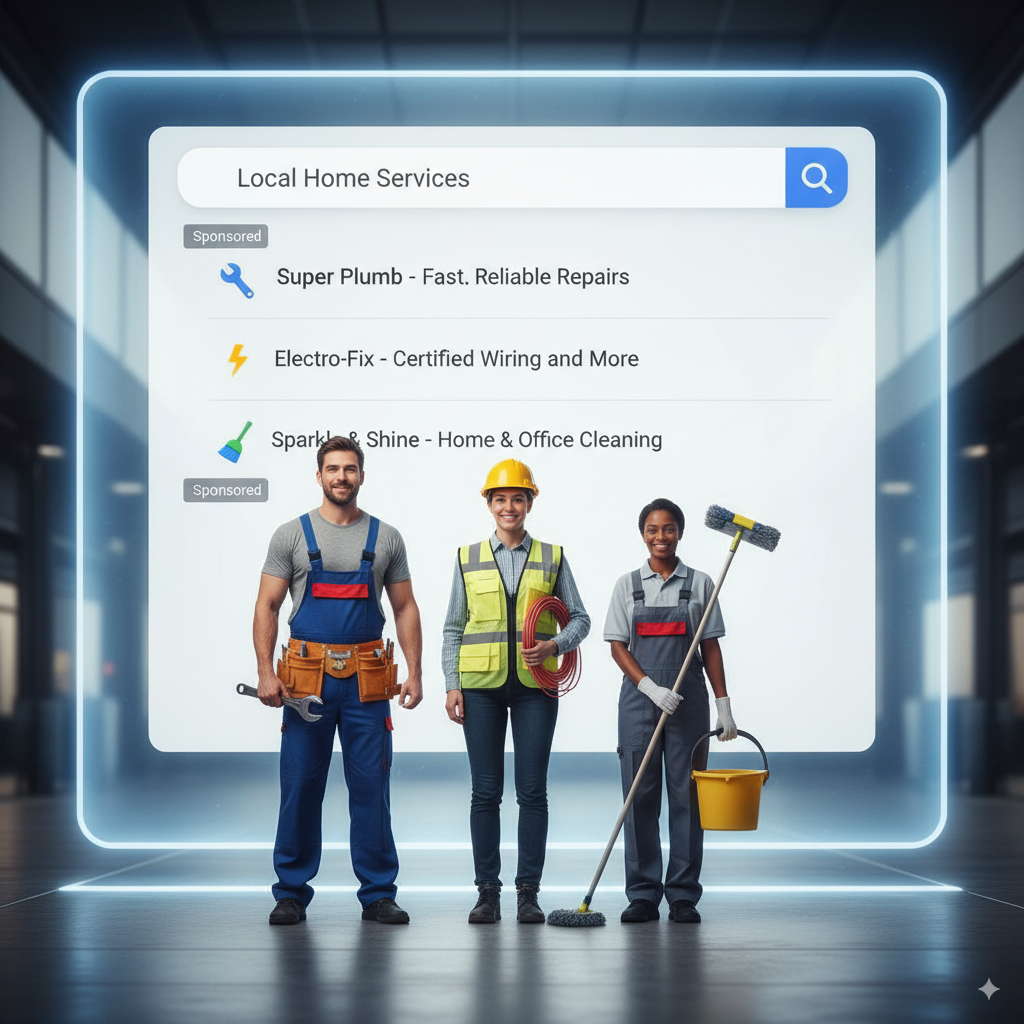
So what is PPC?
PPC (pay-per-click advertising) means you pay only when someone actually clicks your ad. Sounds simple, right? Except it’s not—because getting the right clicks (and not just tire-kickers) is where the real game begins.
For service businesses (plumbers, HVAC, cleaners, electricians, pest control, coaches, you name it), PPC ads are like billboards that only show up for people already Googling what you do. Someone types “emergency plumber near me” → boom, your ad pops up.
And yes, it works across:
 Google Ads is usually the first stop. They literally own search intent.
PPC Advertising: Why Service Businesses Can’t Ignore It
Why should you care about ppc advertising? Because the alternative is waiting around for SEO (which you should also be doing, btw, but that’s the long game). PPC is like caffeine: instant energy.

Benefits of PPC for service businesses:
Side note: yes, you can blow through your ad spend in about 20 minutes if you don’t know what you’re doing. I once set a campaign live without a max CPC limit… let’s just say my “plumbing leads” cost me as much as hiring a full-time employee for a week. 
Google Ads: The Playground Where PPC Happens
Google Ads = the big dog. About 90% of service businesses I’ve worked with use it as their main ppc campaign platform. Why? Because Google search is still where intent lives.
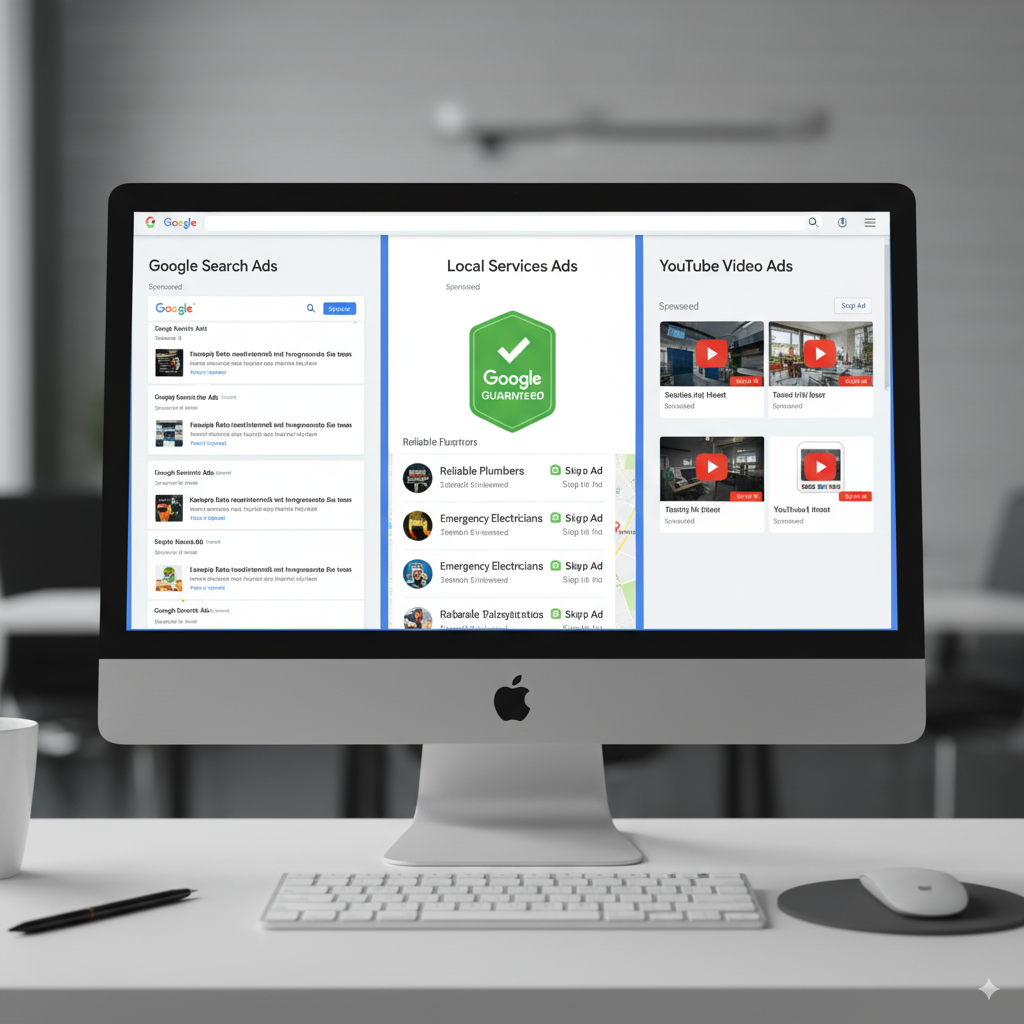
The types of ads you’ll likely use:
If you’re a service business, start with search ads + LSAs. Forget the rest until you have budget.
Ad Spend: Don’t Just Throw Money at Google
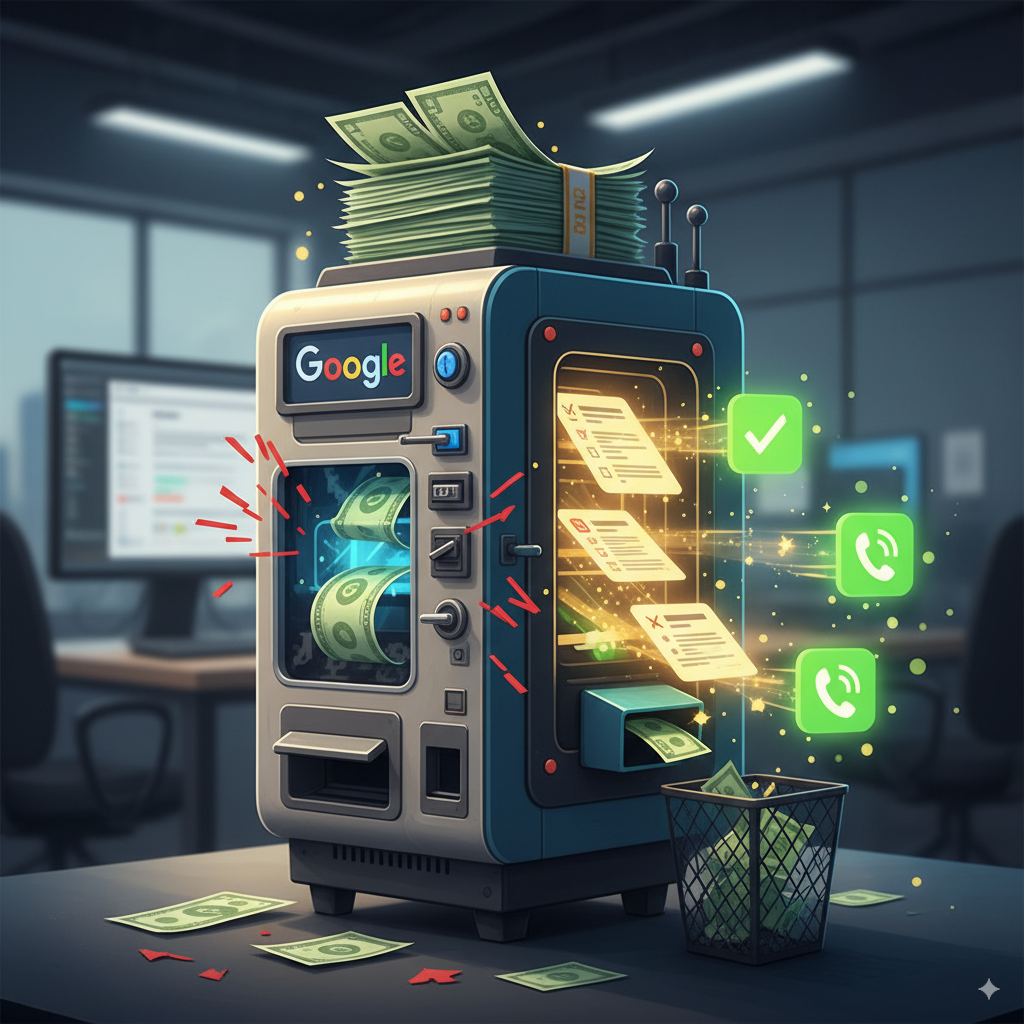
This is the part where most businesses panic: “How much should I spend on PPC?”
Here’s the deal: there’s no magic number. But you should plan for at least $1,000 to $3,000/month if you’re serious. Anything less, and Google’s like, “aww, that’s cute” and shows your ads 2% of the time.
Pro tip: Track your cost per lead (CPL). If it costs you $50 to get a phone call, and your average job makes $500, then congrats—you’ve got a good ROI.
But beware of wasted ad spend. Wrong keywords = wrong customers. For example, if you’re a high-end remodeling company, don’t bid on “cheap bathroom remodel.” You’ll just get tire-kickers.
Successful PPC Campaign: What It Really Takes
Everyone loves the phrase “successful campaign” but here’s the truth: success looks different for everyone.
For a pest control company, success might be 10 calls a day. For a B2B IT services company, it might be 1 solid lead per week.
What makes or breaks it?

Local Businesses: Where PPC Really Shines
If you’re a local business—like a plumber, cleaner, or HVAC company—local PPC marketing is your best friend.
Why? Because you can:
And with Local Services Ads, you can get that green “Google Guaranteed” badge. It builds trust faster than any SEO blog post ever could.
Ad Campaigns: The Nitty Gritty
A solid ppc ad campaign for service businesses usually includes:
- Campaign setup → build ad groups around services (e.g., “water heater repair” vs. “drain cleaning”)
- Negative keywords → block out junk like “free” or “DIY”
- Ad copy testing → run 2-3 variations at all times
- Bidding strategies → start with manual CPC, then test automated bidding once you have data
- Tracking → use Google Tag Manager to set up call tracking + form fills

PPC Management: Babysitting With Benefits
Here’s a hard truth: running PPC is like owning a fish tank. Looks simple from the outside, but it’ll die if you don’t constantly clean, feed, and tweak.
PPC management involves:
Yes, you can DIY. But if you value your sanity, hire a ppc agency. A good one. Not your cousin’s friend who “once boosted a Facebook post.”
PPC Agencies: Should You Hire One?

Okay, here’s where I’ll give a non-answer.
If you’ve got time, curiosity, and a small budget, you can learn PPC yourself. Heck, Google even gives you free Skillshop courses to get started.
But if you’re a busy service business owner drowning in phone calls, just hire a ppc agency. They’ll:
Yes, they’ll take a fee ($500–$2,000/mo), but if they bring you more leads and paying customers, it’s worth it.
Measuring Success: More Leads, Less Guesswork
PPC isn’t about “clicks.” Clicks don’t pay the bills. Customers do.
So when measuring success, look at:
Tie those numbers together, and you’ll know if PPC is printing money or burning it.

FAQs About PPC Marketing for Service Businesses
Q1. How does PPC work for service businesses?
You bid on keywords (like “AC repair near me”), your ad shows up in Google search results, and you pay when someone clicks.
Q2. Is PPC better than SEO?
Not “better.” Different. PPC = instant results but you keep paying. SEO = slower but long-term free traffic. Ideally, do both.
Q3. How much should I spend on PPC?
Depends on your market. Most service businesses need $1k–$3k/month to be competitive.
Q4. Can I run PPC myself?
Yes… but it’s easy to waste money. If you’re brand new, take Google’s free training or start small.
Q5. Do PPC agencies really help?
The good ones do. They can cut wasted ad spend, improve quality score, and get you more high quality leads.
Final Thoughts
If you’re running a service business and you’re not doing PPC, you’re leaving money on the table. Simple as that.
But don’t just throw cash at Google and hope for the best. Build a ppc strategy, track your results, and adjust constantly. Or better yet—partner with a PPC marketing agency that knows what they’re doing.
Because here’s the truth: in 2025, the businesses who master pay per click advertising will be the ones answering phones while their competitors wonder why nobody’s calling.