
Mastering PPC Marketing: A Practical Guide for Effective Campaigns
PPC marketing (pay-per-click) has a love/hate vibe. Some people swear it’s the best thing since sliced bread. Others say it’s a money pit that eats budgets alive while Google laughs all the way to the bank. Truth? Both are right.
I’ve been doing this long enough to see campaigns go from “$1k spend, $15k return, client sends me cookies” to “$2k down the drain and not a single lead.”
PPC advertising is powerful, but only if you know how to work with it, not against it.
This isn’t a textbook. It’s not some polished “SEO + PPC synergy” whitepaper nonsense. It’s me, showing you what actually works in 2025 if you want your PPC ads to stop being background noise and start being profit engines.
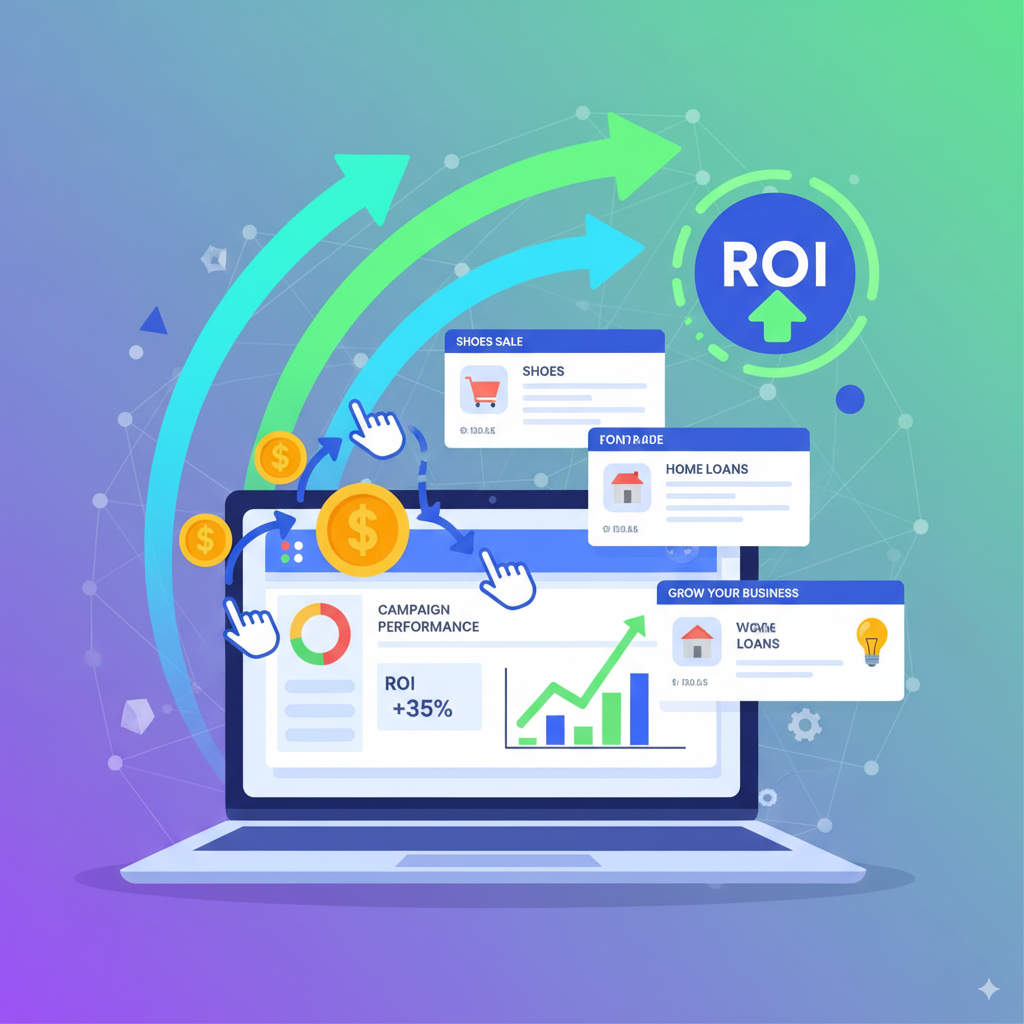
PPC Marketing: Quick and Dirty Basics
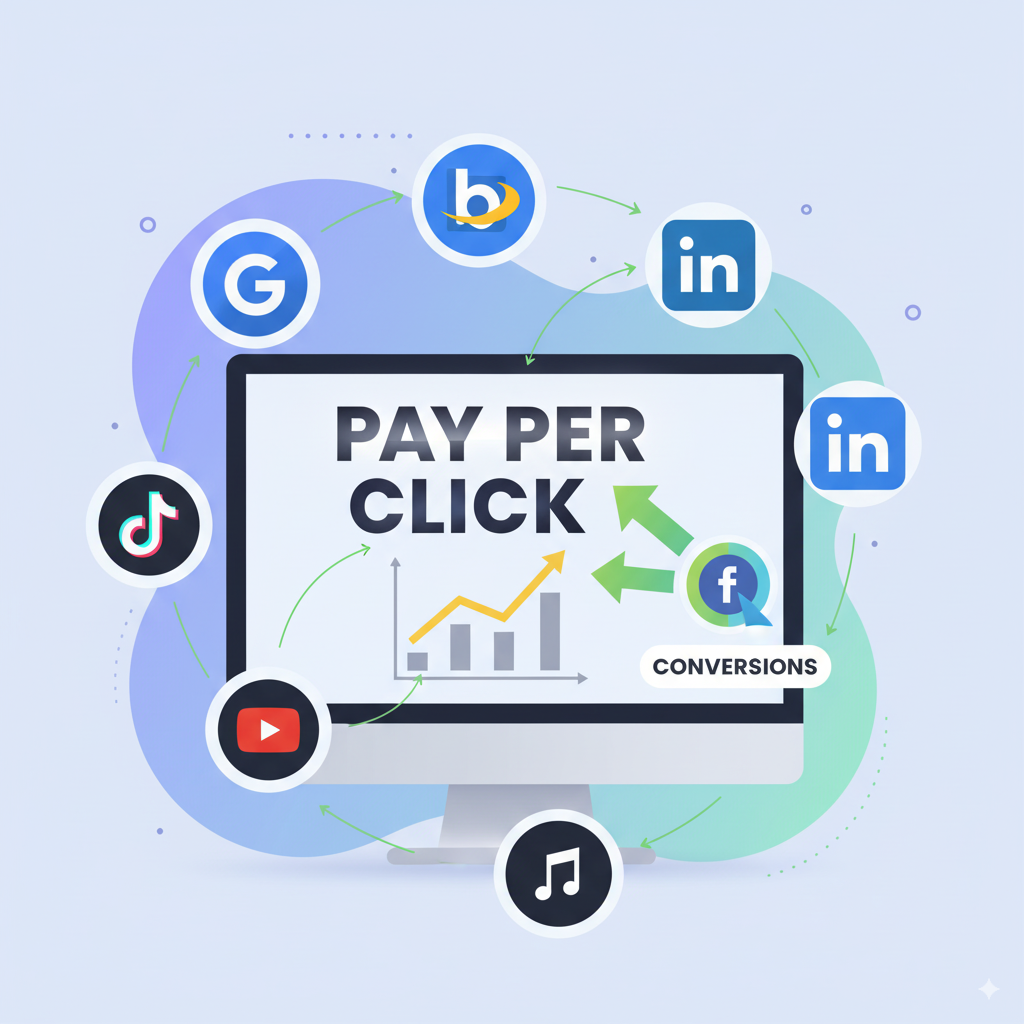
Let’s clear the air. PPC (pay per click) is literally what it sounds like: you pay every time someone clicks on your ad. That ad could be on:
Here’s the kicker: clicks aren’t the goal. Conversions are. You don’t pay rent with “traffic.” You pay rent with leads, sales, and customers. And if you forget that, you’re just funding Google’s stock price.
 Side note: If you’ve never actually seen how the Google Ads auction system works, here’s a simple explainer from Google itself: Google Ads Auction. Worth 5 minutes of your life.
1. Nail Down Keyword Research (Without Burning Your Brain)
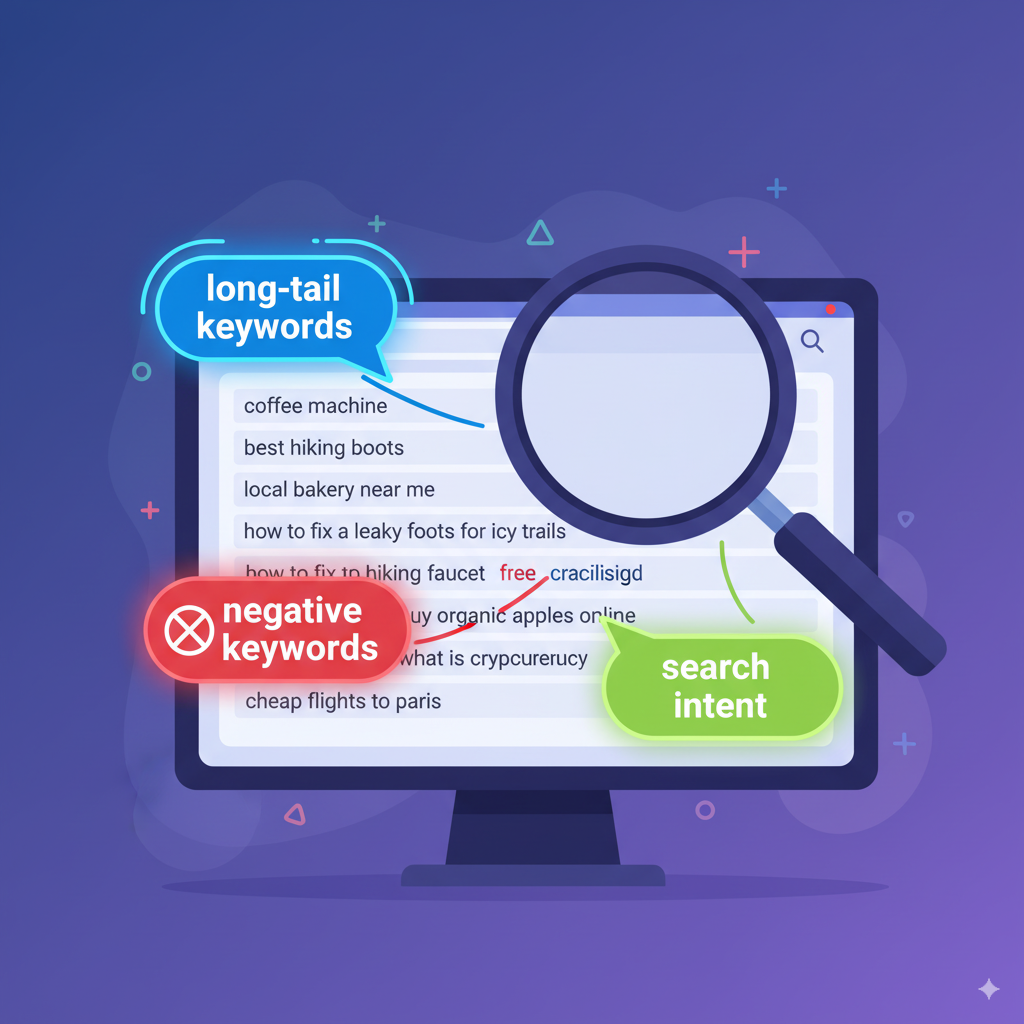
If PPC campaigns were cars, keywords are the gas. No keywords, no movement. Wrong keywords, you’re driving into a ditch.
Here’s where rookies mess up:
Use Google Keyword Planner (free, inside your Google Ads account) or tools like Ahrefs, SEMrush, or Ubersuggest.
Pro tip: Test long-tail keywords. “Best PPC agency for SaaS founders” might bring you 20 clicks instead of 2000—but those 20 people actually want to buy.
2. Structure Your Ad Groups Like a Grown-Up
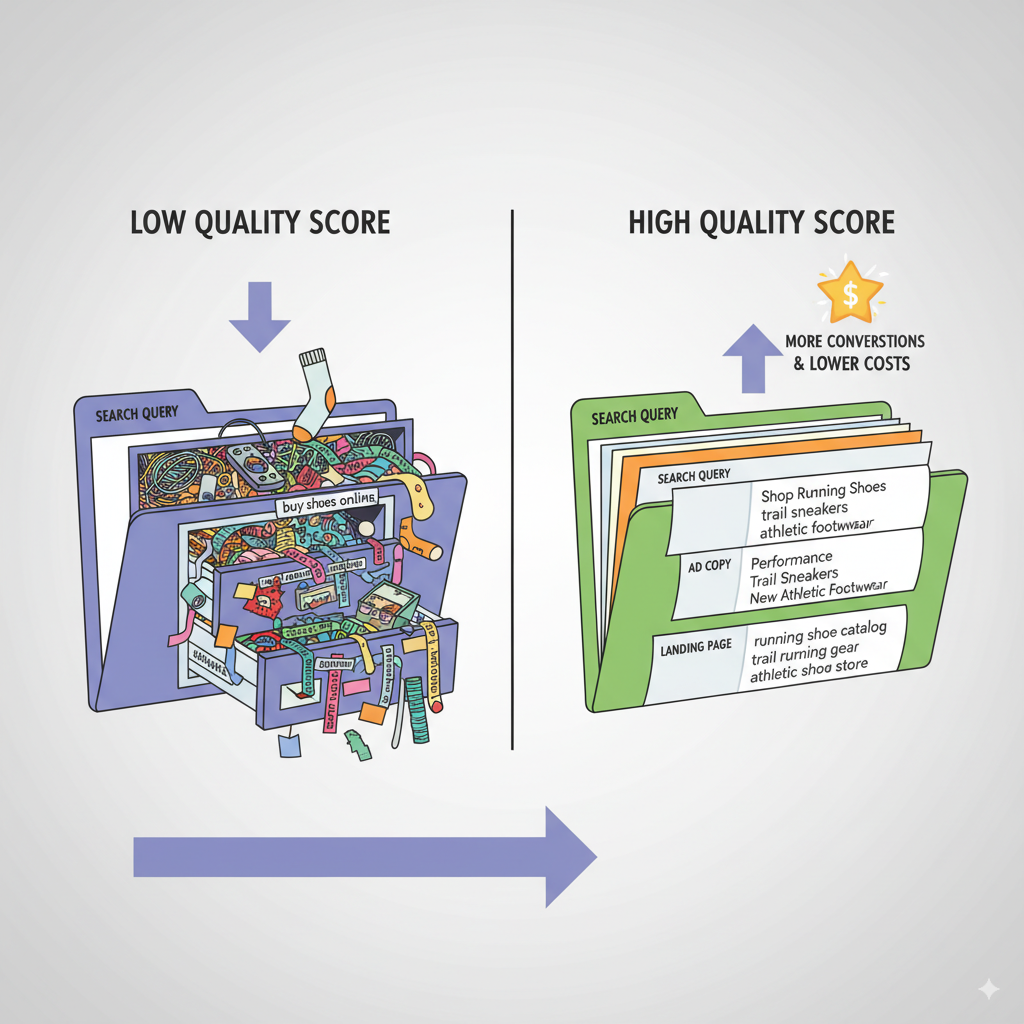
Ad groups are not a junk drawer. Stop throwing 50 keywords in there and praying. Google Ads wants tight, clean ad groups where your ad copy matches the keywords.
Example:
Ad Group 1: “Google Ads management services” → Ads about Google Ads management
Ad Group 2: “PPC strategy for eCommerce” → Ads about eCommerce PPC
Why? Because relevance = higher Quality Score = cheaper clicks. Google literally rewards you for making their users happy.
And yes, higher Quality Score = lower cost per click (CPC). Don’t believe me? Google’s guide on Quality Score spells it out.
3. Paid Search Ads: Your Bread and Butter
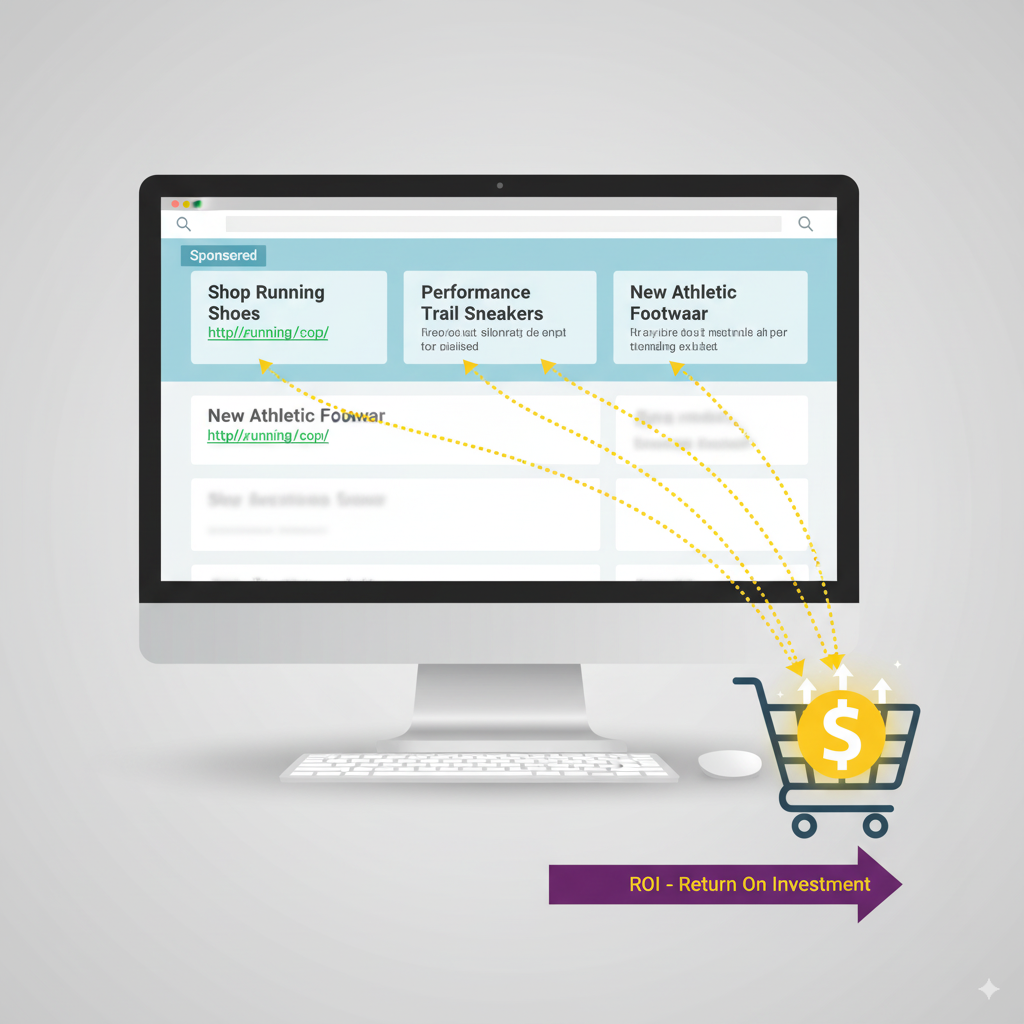
Search engine advertising = the classic paid search ads. The kind you see on the top of the search engine results page (SERP) when you Google “buy running shoes online.”
Done right, search ads:
But… don’t just copy-paste your SEO keywords into your PPC campaigns. Search behavior for paid ads is different. Someone searching “what is PPC marketing” isn’t going to buy your PPC course. Someone searching “hire PPC agency for SaaS” just might.
4. Retargeting Ads (a.k.a. The Stalker Strategy That Works)
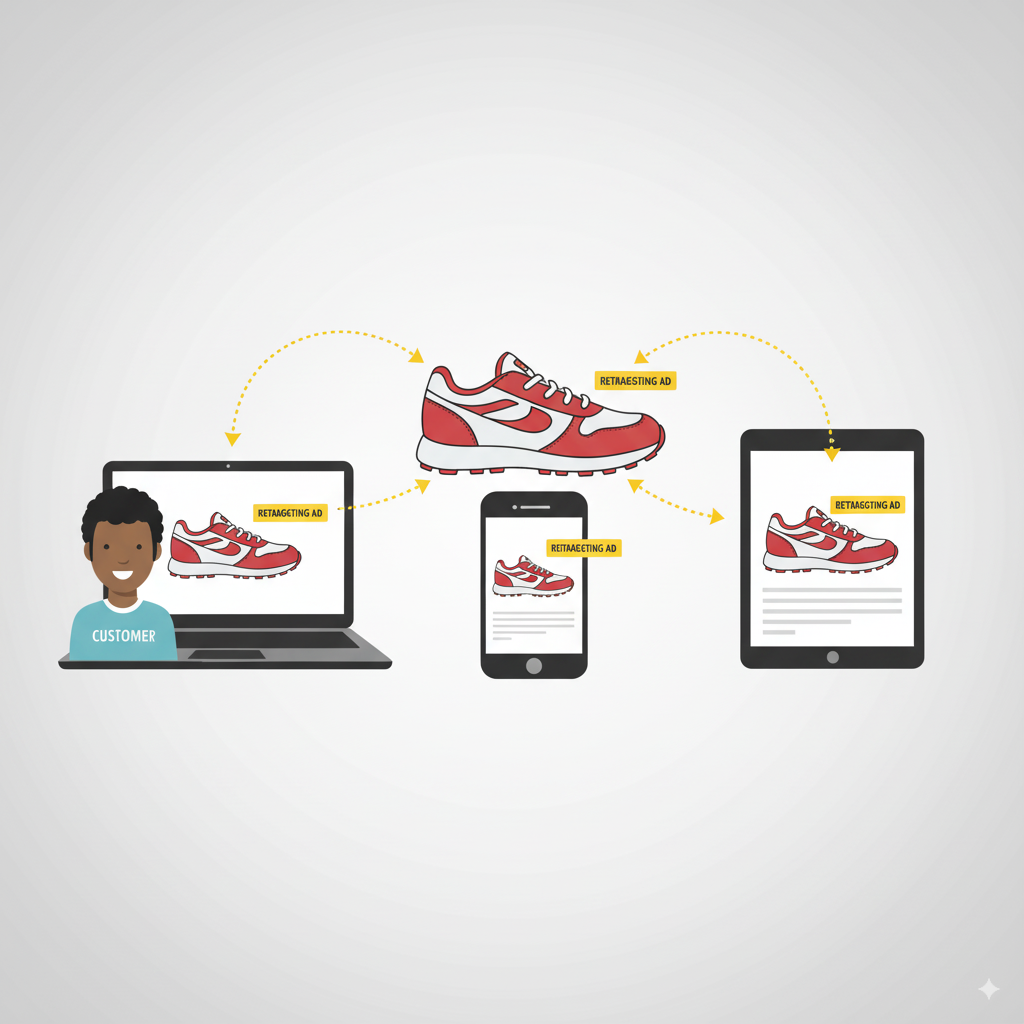
You know when you visit a site to check out shoes, and suddenly those exact shoes follow you around Facebook, Instagram, even YouTube? Yeah, that’s retargeting ads.
Creepy? Maybe. Effective? Hell yes.
Retargeting ads are the closest thing to a cheat code in PPC marketing. They:
Platforms like Meta Ads Manager or Google Display Network make this stupid easy to set up. Just don’t go overboard—nobody wants to see your “Buy Now” ad 27 times in one day.
5. Social Media PPC: Beyond Google
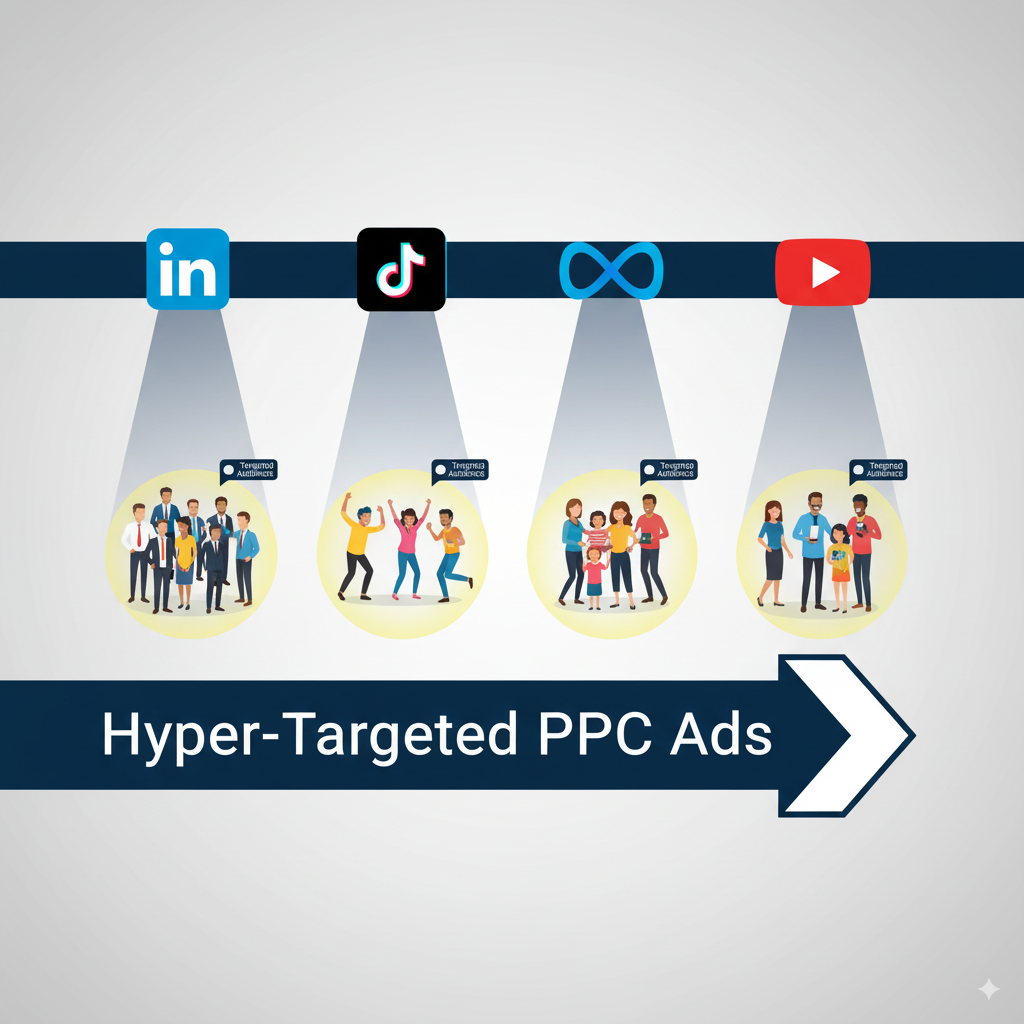
Here’s the reality: Google Ads dominates PPC, but social media ads are where you get hyper-targeting.
Honestly? Test multiple ad platforms. What works for SaaS founders might flop for a local coffee shop.
If you’re curious, check out LinkedIn Ads Guide and TikTok For Business.
6. Landing Page Optimization (Stop Sending Ads to Your Homepage)
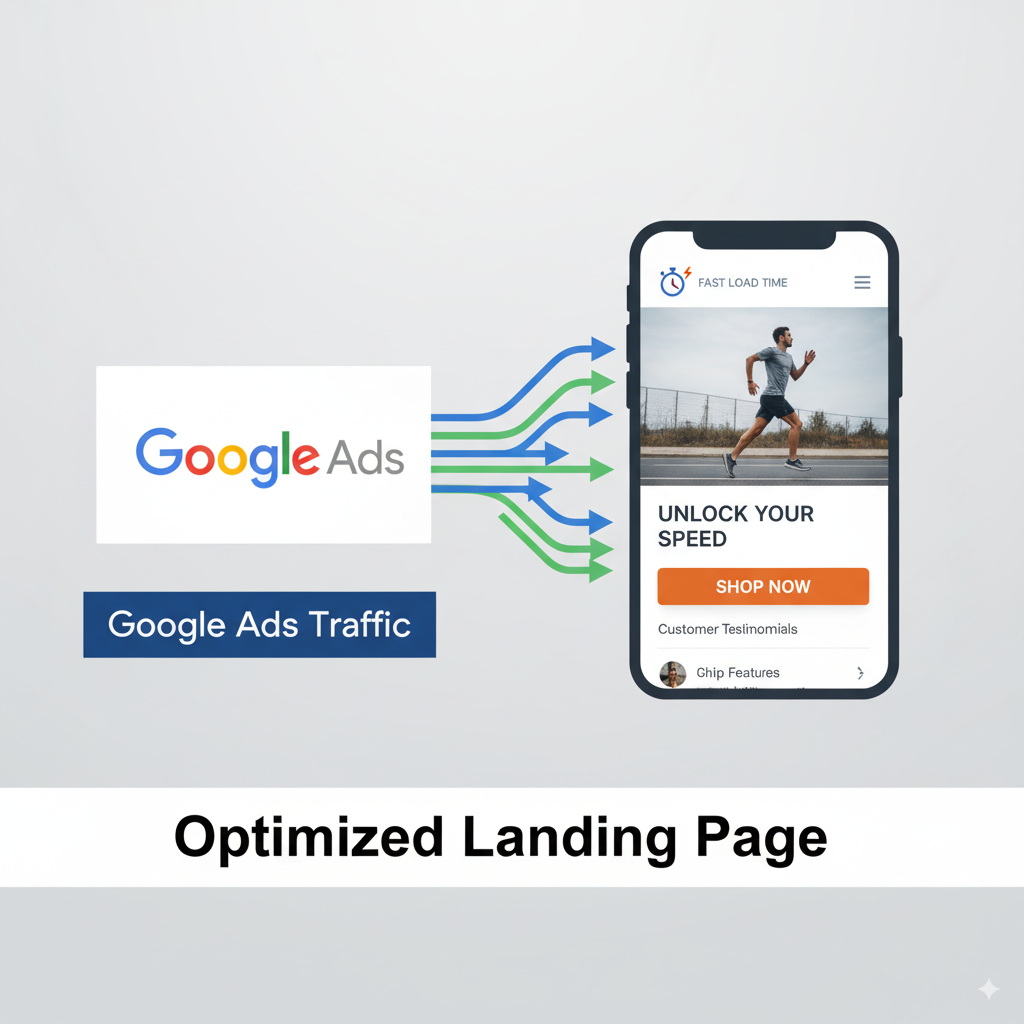
Biggest PPC rookie mistake: running ads → sending traffic → homepage.
Why is that dumb? Because:
Homepage = general info.
Landing page = laser-focused on conversion.
Your landing page should:
7. Data, Analytics, and Ongoing Optimization
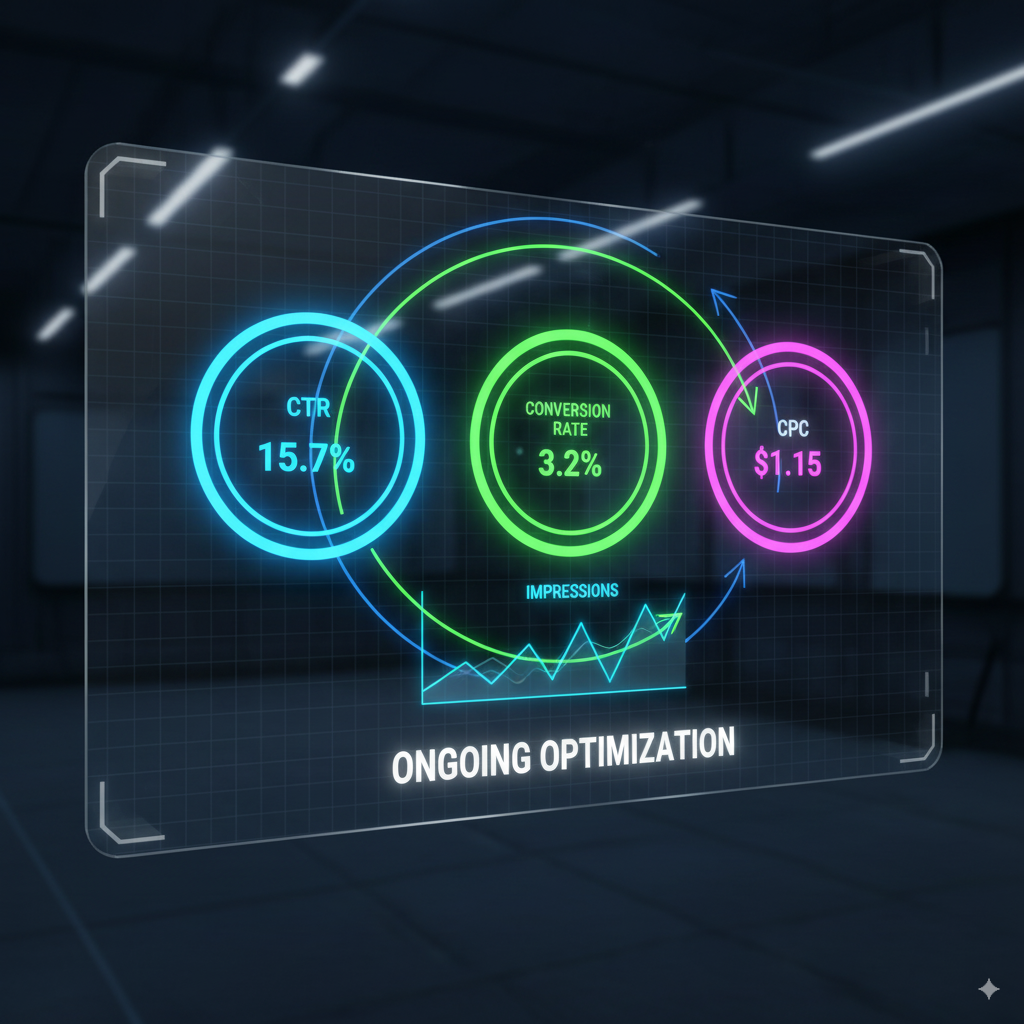
PPC is not “set it and forget it.” If you do that, you’ll wake up with a maxed-out card and 0 conversions.
Use:
Look at:
Consistent effort = long-term success. PPC is a journey, not a one-night stand.
Read Another Article: Digital Marketing for Service Businesses
FAQs: PPC Marketing, Answered Like a Human
Q1: Is PPC better than SEO?
Not better. Different. SEO = slow burn, compounding growth. PPC = instant results, but you keep feeding the machine. Honestly, you need both.
Q2: How much should I spend on PPC ads?
Depends on your industry. $500/mo might work for a local plumber. SaaS founders? Think $5k+ if you want real traction.
Q3: Does PPC advertising work for small businesses?
Yes, but only if you target smart. Don’t try to outbid Nike on “running shoes.” Go niche, go local.
Q4: Are Bing Ads worth it?
Weirdly, yes. Bing has an older, wealthier demographic. Less traffic than Google, but cheaper CPC.
Q5: What’s one PPC strategy nobody talks about?
Ad scheduling. Run ads only during business hours (if you’re B2B). Stop paying for 2am clicks from people doomscrolling.
Final Thoughts
PPC marketing isn’t rocket science, but it’s also not magic. It’s an online advertising model where your ad spend lives or dies by structure, targeting, and constant tweaking.
If you’re serious about PPC campaigns:
Do that, and PPC goes from “money pit” to “profit engine.” Ignore it, and congrats—you just funded Google’s next yacht.