

Mastering Dentist Local SEO: Proven Strategies to Boost Your Practice
Okay, dentists. Let’s have a chat. You want more patients, right? Not just any patients, but the ones who actually show up, pay for dental implants, and tell their friends about you instead of ghosting after one cleaning.
You’ve probably already tried throwing money at Facebook ads, maybe even dipped your toes into Google Ads, and sure — they work until your budget dries up. But what about the long game?
That’s where dentist local SEO comes in. And trust me, it’s way less scary than a root canal.
Dentist Local SEO (aka how people actually find you)
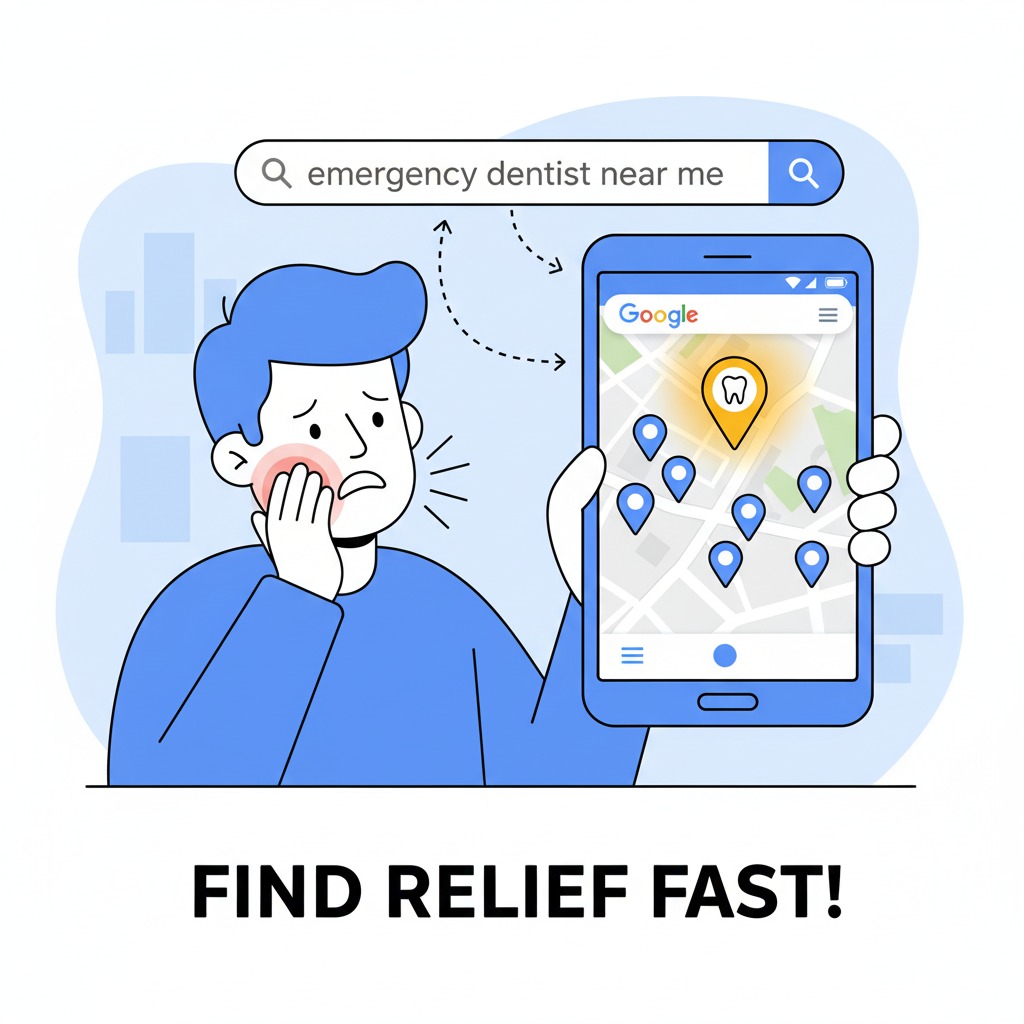
When someone wakes up with a toothache, they don’t go flipping through the Yellow Pages (do those still exist?).
They whip out their phone, type “emergency dentist near me,” and hope Google blesses them with a legit dental clinic that isn’t a sketchy basement operation. That’s local SEO in action.
Local SEO for dentists = making sure your practice shows up in local search results, especially on Google Maps. And if you’re not showing up there? Your competitors are happily booking your potential patients.
(Side note: I once looked up a “dentist near me” while traveling, and the top result was literally a taco shop with the word “Smile” in its name. So yeah… optimization matters.)
Dentist Local SEO Basics for Dental Practices
And please — don’t just say “we’re the best dentist.” Everyone says that. Be specific.
Why Dental SEO Matters (yes, even more than your snazzy waiting room)
I get it, you spent a fortune on comfy chairs and maybe even put a TV on the ceiling. But if new patients can’t find you online, none of that matters.
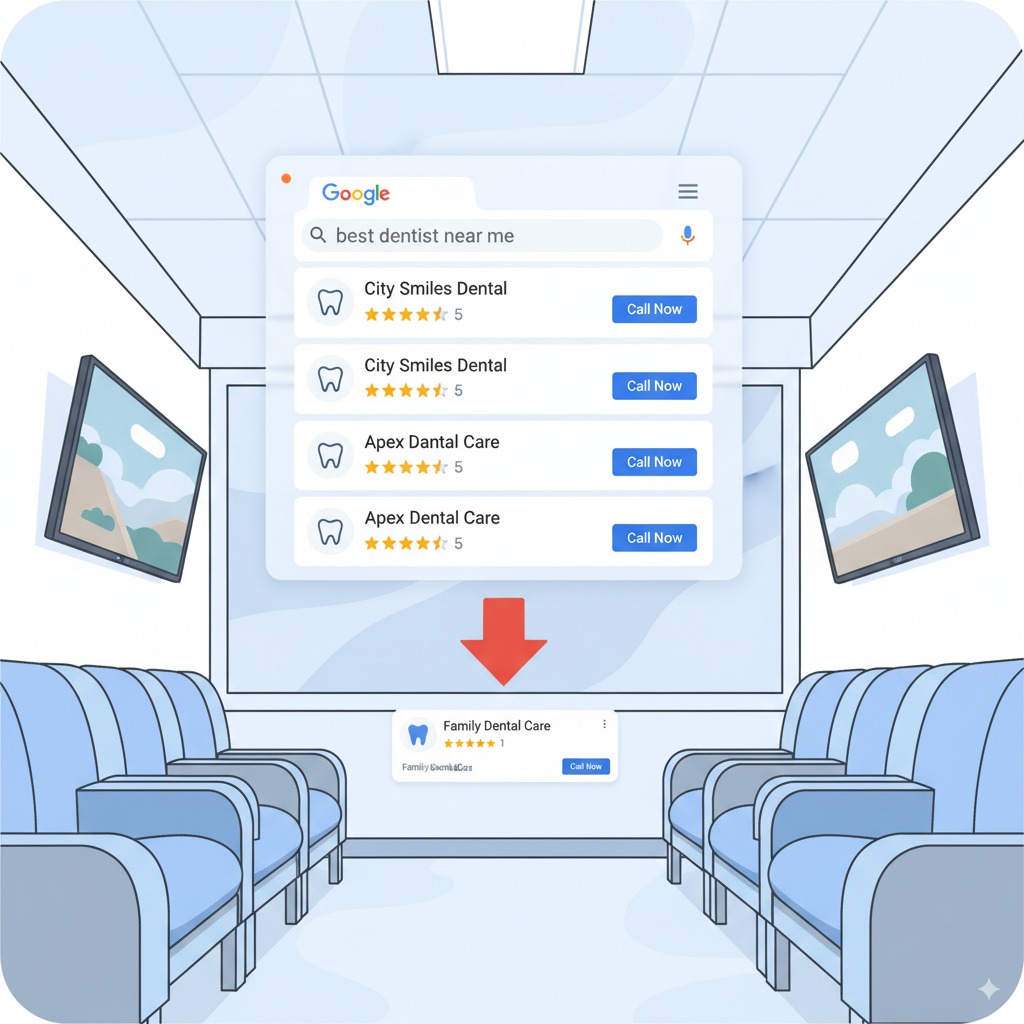
Think of SEO as your 24/7 receptionist who never takes a lunch break.
Dental SEO vs. Local SEO (spoiler: you need both)
You can’t just do one. You need both working together. Like flossing and brushing. (Don’t roll your eyes at me.)
Key SEO Strategies for Dentists
Let’s cut to the chase. Here are the big plays:
1. Google Maps Optimization
Fill out every detail in your profile. Hours, photos, services, FAQs. Add posts. And for the love of molars, get online reviews. Ask happy patients. Politely, of course.
2. Relevant Keywords
Use tools like Ahrefs or SEMrush to find relevant search terms. Hint: don’t just target “dentist.” Go for “dental implants Miami” or “pediatric dentist Austin.”
3. Build Local Backlinks
Partner with local businesses, sponsor a community event, or get listed in dental directories. These links tell Google you’re a real, trustworthy dental clinic, not some fly-by-night operation.
4. Content That Doesn’t Suck
Blog posts about “how often should I floss” are fine, but go deeper. Write about “what to do when your kid knocks out a tooth on the playground” or “dental implant recovery tips.” That’s the stuff patients actually search.
5. Technical SEO
Fast website? Mobile-friendly? Secure (HTTPS)? Great. If your dental website loads slower than a root canal appointment, people will bounce.
(Side note: I once clicked on a dental site that took 10 seconds to load. By the time it opened, I’d already called someone else.)
Online Reviews: Your Secret Weapon

People trust Google reviews more than your fancy marketing brochures. Sad but true. The more legit, positive reviews you’ve got, the higher you’ll rank in local search results and the more likely patients will actually book.
Pro tip: Don’t just ask for reviews. Make it easy — send a text with the link right after an appointment. And yes, reply to them (even the bad ones). It shows you care.
Tracking SEO Efforts (without losing your mind)
You don’t need to be an SEO specialist to measure whether your dental SEO strategy is working. Use:
Numbers don’t lie. If your SEO efforts aren’t getting you more local patients, it’s time to tweak.
The Cost of Dental SEO (and why it’s cheaper than you think)
I know what you’re thinking: “How much is this gonna cost me?” Short answer: less than losing patients to the dentist down the road. Long answer: it depends on whether you DIY, hire a dental SEO company, or go all-in with a dental SEO agency.
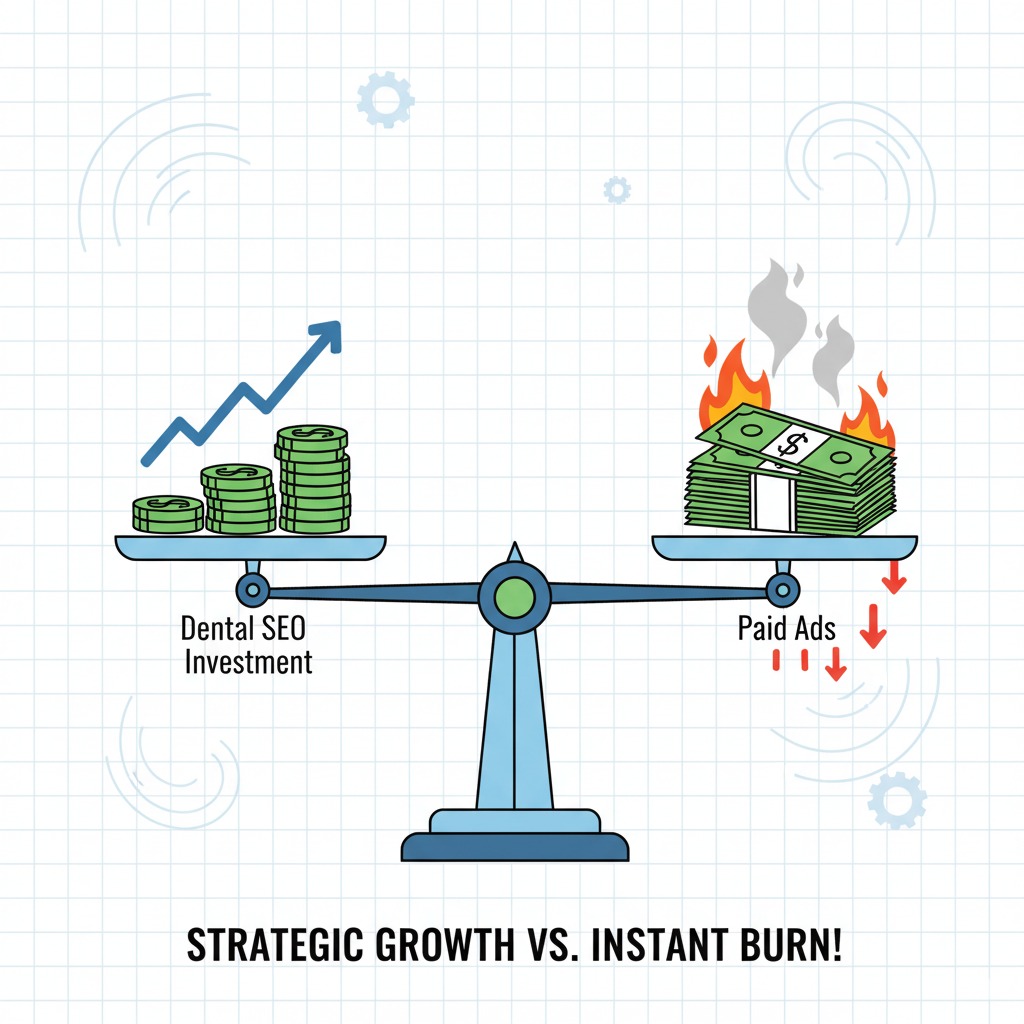
Yes, SEO takes time. But unlike paid ads, the moment you stop paying… the results don’t vanish overnight. That’s why I always say: SEO is an investment, not an expense.
Check out this Moz guide on local SEO. It’s nerdy but worth the read.
Advanced Tactics (for dentists who want to really win)
FAQs (because I know you’ll ask)
Q: How long does dentist local SEO take to work?
A: Honestly? Expect 3–6 months before the big wins kick in. Faster if you’re in a small town, longer if you’re in a city with a dentist on every corner.
Q: Can’t I just run ads instead of SEO?
A: Sure, but stop paying and poof — leads gone. SEO sticks around and compounds.
Q: Do I really need blog content as a dentist?
A: Yes. Think of it as patient education that doubles as keyword targeting. Plus, it builds trust.
Q: How many Google reviews do I need?
A: More than your closest competitor. Quality matters too — a bunch of generic 5-star reviews look shady.
Q: Is dental SEO different from regular SEO?
A: Kinda. The principles are the same, but the focus is way more local and service-driven. You’re not selling SaaS — you’re fixing teeth.
Final Word
Look, dentist local SEO isn’t rocket science. It’s about showing up where your local patients are searching, building trust with reviews, and making sure your dental website doesn’t look like it was built in 2003.
Do the basics right, and you’ll attract more patients every single month without blowing your budget on ads.
And hey, when you’re ranking #1 on Google Maps and booking more patients than you can handle, just remember this blog post. Maybe send me a free cleaning. (Kidding… kinda.)